
Stay in your lane
How Comparison Can Push You Forward or Pull You Off Course
Published 25 February 2026 · 394 words
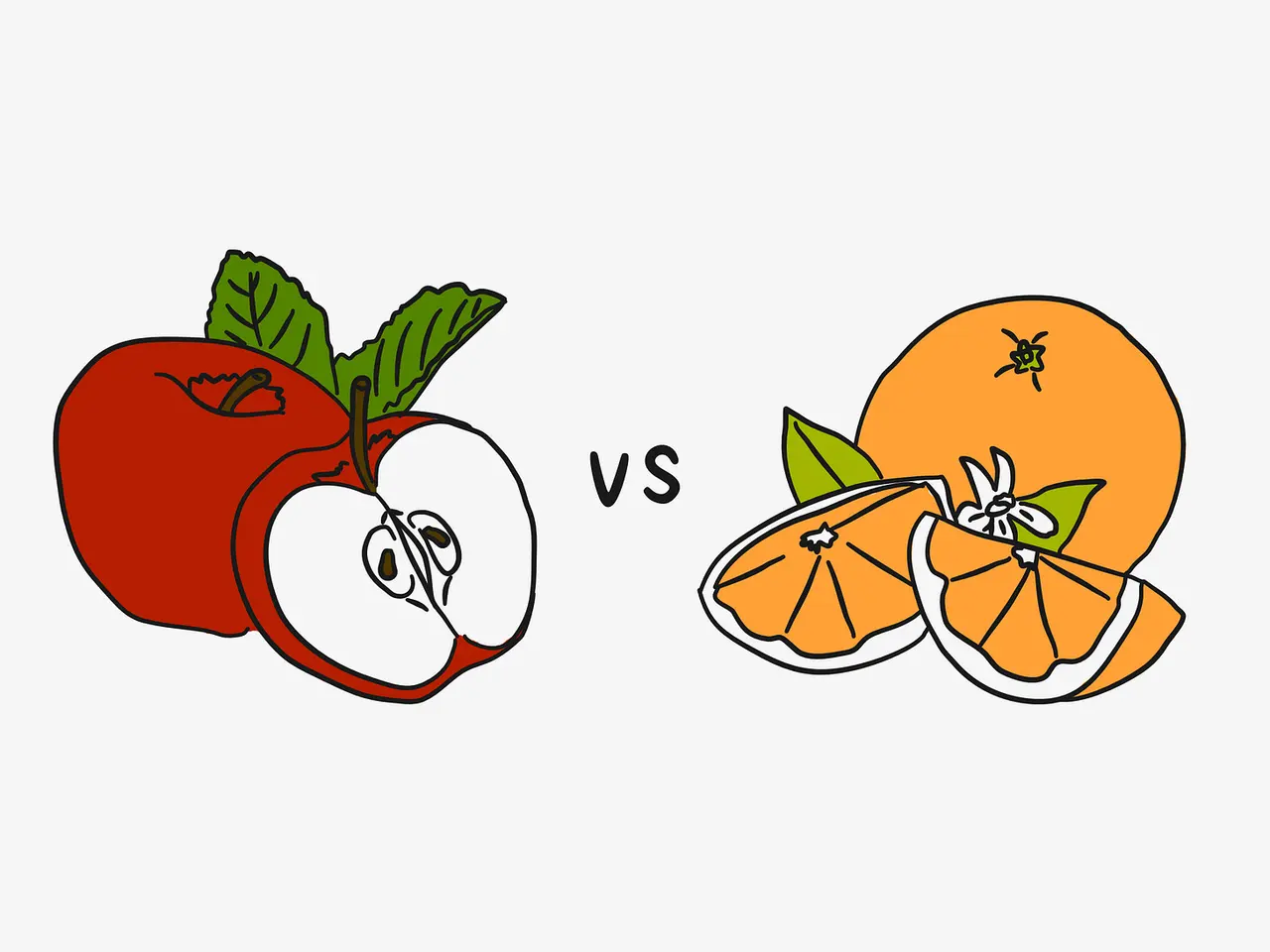
In the past few issues, we’ve talked about agency (choosing to act). Audacity (daring to try). Progress over perfection. Small steps. Building habits. All of these require focus. Quiet, steady focus.
But there is something that quietly competes for that focus on this scholarship journey: comparison.
Comparison is one of those forces that can either sharpen you or slowly derail you. Sometimes it does both in the same week.
You see someone announce a fully funded offer. Another person shares their acceptance letter. Someone posts about how many applications they submitted before succeeding. And suddenly your own progress feels smaller. Slower. Insufficient.
Comparison can be a motivator.
It can show you what is possible. It can stretch your thinking. It can raise your standards. When you see someone from a background similar to yours succeed, it disrupts excuses. It reminds you that the path exists.
But comparison can also become a distraction.
The problem begins when you stop studying the process and start obsessing over the outcome. You begin measuring your chapter two against someone else’s chapter ten. You forget that scholarships are not awarded based on timelines. They are awarded based on preparation, positioning, and persistence.
Two applicants may apply for the same program. One has been building their profile for years without even calling it “building.” The other started recently. The results will reflect that difference. Not talent. Not luck. Time and preparation.
Comparison becomes unhealthy when it pulls your attention away from what you can control. Instead of improving your essays, you are refreshing someone else’s announcement. Instead of refining your CV, you are analysing someone’s LinkedIn update for hidden clues. That is energy spent in the wrong place.
Used well, comparison is diagnostic. It helps you ask:
What skills do strong candidates demonstrate?
How do they communicate impact?
How do they tell their story clearly?
Used poorly, comparison is emotional. It whispers that you are behind. That you are late. That you are not enough.
This journey is already demanding. Learn from others. Study what works. But return quickly to your own lane.
Agency means you act.
Audacity means you try.
Small steps mean you persist.
Habits mean you stay consistent.
Comparison should support those things not replace them.
It is neutral. It becomes fuel or fog depending on how you use it.
Choose fuel.
From Ojonugwa for Scholar ChitChat
First published in our newsletter. Also on Substack.